


A water heater is a vital part of your home’s plumbing. Without it, your home would have no hot water. The following are a few common electric water heater problems and suggestions for addressing them. Water heaters can be dangerous if they are too old or improperly maintained and can catch fire or even explode.
Even with regular professional maintenance, water heaters can still encounter problems.
Warning: Before doing any repairs, be sure to shut off power to the water heater by turning off the circuit breaker located in the electrical service panel, also known as the breaker box. To ensure the power is really off, test the wires using a non-contact voltage tester.
If you don’t know how to do a certain task or are still having trouble, it is essential to contact the trusted plumbers at Bewley Plumbing.
The Water Heater isn’t Heating Water
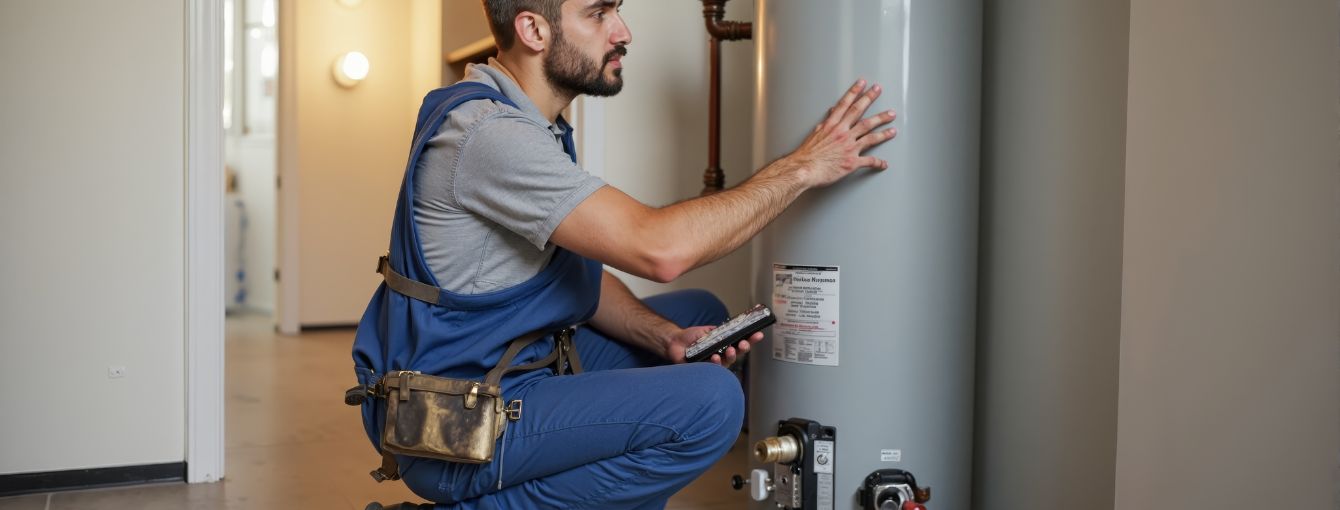
A water heater that isn’t heating water can have several problems, including, but not limited to, a tripped limit switch, lack of power, or failed heating element.
What to Do:
- Step 1. Ensure the circuit breaker for the water heater hasn’t been tripped.
- Step 2. Move a tripped breaker to the OFF position and then to the ON position.
- Step 3. If the water heater’s circuit breaker hasn’t been tripped, reset the water heater’s high-temperature limit. Do this by removing the access panel and pressing the high-temperature reset button (which is usually red).
Insufficient Hot Water
Sometimes, hot water may only be hot in low volumes, or the supply may be adequate, but the water isn’t hot enough. The following are actions you can take when you encounter various issues with hot water.
Low Volume of Hot Water
If you encounter a low amount of hot water, it may be due to the failure of one or both of a water heater’s heating elements. Hot water that runs out quickly may be due to a malfunctioning lower heater element.
What to Do:
This is NOT a DIY job; a professional plumber will need to replace any malfunctioning heater elements or the entire water heater.
Normal Volume of Lukewarm Water
If you get a normal volume of water, but it is lukewarm and not hot, it may be due to sediment buildup at the bottom of the tank.
What to Do
Flush the water heater to remove the water and sediment, and fill it back up with water.
A Normal Volume of Water with Insufficient Heat
If you have enough water, but it isn’t hot enough, it may be caused by sediment buildup.
What to Do
You’ll need to flush the water heater of all its sediment and water, and fill it back up.
Your Home’s Water is Too Hot
If the water is too hot, it is generally due to one or both of the hot water heater thermostats being set too high.
What to Do
To remedy this, complete the following steps:
- Step 1. Be sure to shut off the water heater’s power at the service panel.
- Step 2. Take off the access panel.
- Step 3. Ensure that both thermostats have a heat setting that is no higher than 120°F.
- Step 4. Use a flathead screwdriver to adjust the temperature to the desired setting.
- Step 5. Put the access panel back on and turn on the power to the water heater.
Caution: Take care not to burn yourself after completing these steps.
Leaking Hot Water from Plumbing Connections and Valves
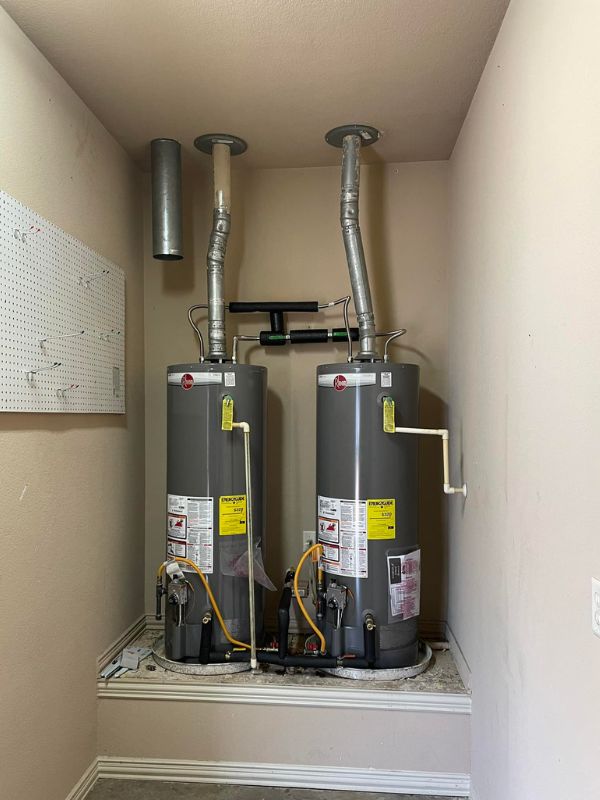
A water heater leak is frequently caused by leaking plumbing connections and valves. If the water leaking is warm or hot, it’s most likely due to a leaking outlet pipe.
What to Do
Check if the water heater has loose inlet or outlet pipes. Tighten the loose connections with a wrench.
Water is Rusty or Smells
If brown, red-tinted, or yellow water comes out of a faucet, it may be a sign of internal corrosion in a water heater. If the water from the faucet smells like rotten eggs, it may indicate the presence of bacteria in the water heater.
What to Do
You’ll need a plumber to replace the anode rod in the water heater tank.
The Water Heater Tank is Noisy
A water heater tank that makes a sound similar to a low rumble, popping noise, or a high-pitched whine might indicate that water in the tank is boiling. A boiling water heater tank is highly dangerous and can lead to an explosion. Sediment build-up in the tank may cause the water to overheat or boil.
What to Do
If you know how, flush your water heater; if not, contact a professional plumber to do it.
As a boiling water heater tank is highly dangerous, you may want to contact a plumbing professional.
Leaking Inlet
If a water heater has a pool of water on top of it, it may be due to a leaking cold water inlet, as the cold water inlet is located atop the water heater.
What to Do
You may be able to repair the leaking inlet by following these steps:
- Step 1. Shut off the water heater tank’s water supply.
- Step 2. Turn the inlet with a wrench counterclockwise to tighten it.
- Step 3. Turn back on the water supply.
- Step 4. Dry the top of the water heater off and watch for leaks.
The Temperature Pressure Relief Valve is Damaged
A slow leak may occur from the temperature-pressure relief valve located on the side of the water heater tank. You may be able to change the valve yourself.
What to Do
Follow these steps to change out the valve:
- Step 1. Shut off the cold water supply and electricity to the water heater.
- Step 2. Release pressure and drain the water by opening the valve. Be sure to have a bucket below the plastic release valve drain pipe to catch the water.
- Step 3. Use a pipe wrench to unscrew the pressure relief valve.
- Step 4. Screw the valve onto the hot water heater tank—make sure to use Teflon plumber’s tape.
- Step 5. Put the plastic relief drain pipe on the water heater tank.
Sides of the Tank are Leaking
Corrosion or damage to the hot water heater tank may cause water to leak from its side through cracks or holes.
What to Do
Corrosion and/or damage will require the water heater tank to be replaced, as it cannot be repaired safely.
While waiting for your new water heater tank to be installed, turn off the water supply and power to the damaged water heater tank and completely drain it for safety and to protect your home.
Condensation from the Water Heater Tank
What might first appear to be a leak from a water heater tank may be condensation. Condensation isn’t localized to one part of the tank, but instead spreads across the outside of the water heater tank, unlike leaks from cracks or inlets.
Generally, condensation isn’t due to a problem with the water heater tank; instead, it’s due to the temperature being set incorrectly.
What to Do
To fix this issue, adjust the thermometer to 120°F or lower to 115°F. If this doesn’t work, you’ll need to call a plumber. They may need to disconnect the water heater tank and put a drain pan underneath it.
Times When You’ll Need to Contact a Plumber to Resolve Water Heater Issues
It is essential to know your limits when working around the house. The following are situations where you must contact a plumbing professional.
- Corroded or damaged tanks
- Water that is tinted or has a foul odor
- You suspect you have bacteria in your water
- Certain cases when you don’t have enough hot water
Contact Bewley Plumbing today for assistance with resolving your water heater issues or to learn more about our plumbing services.